









Holiday
Mardi Gras 2026: New Orleans Festival Of Colors And Cultural Icons
Dec
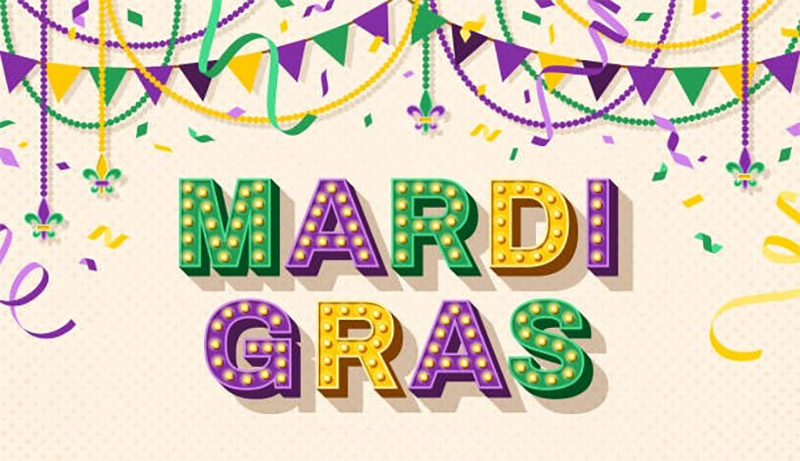
Mardi Gras, which means Fat Tuesday in French, is the last big party before the 40 days of abstinence and penance of Lent. It has long been one of the most famous festivals in the world, known for its colorful parades, lively music and the festive spirit that pervades the city of New Orleans. More than just an entertainment event, Mardi Gras has deep historical, cultural and economic value, reflecting the unique identity of the community here.
Origin and religious significance
Mardi Gras is a deeply religious festival. It always takes place on the day before Ash Wednesday. Christian tradition requires believers to abstain from fatty foods, sugar, and dairy (which are forbidden during Lent) on this day. As a result, the festival becomes a day of feasting and partying before entering a period of strict fasting and prayer.
New Orleans – The Heart of the Festival
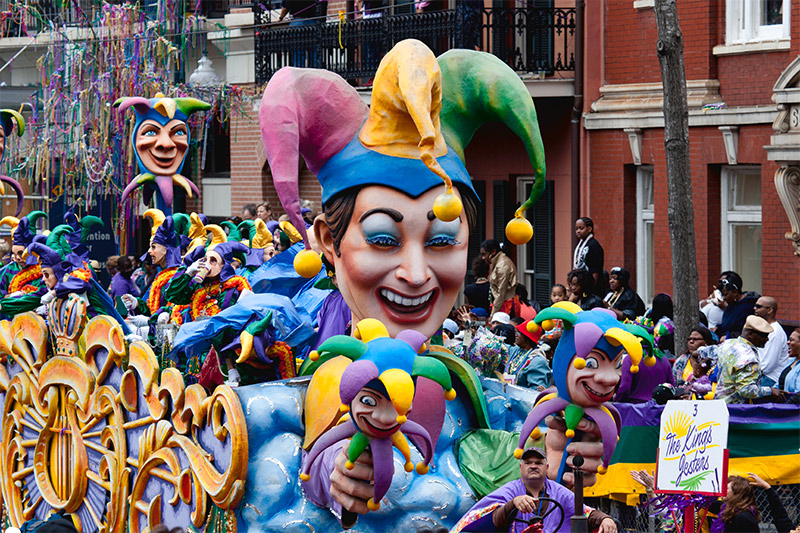
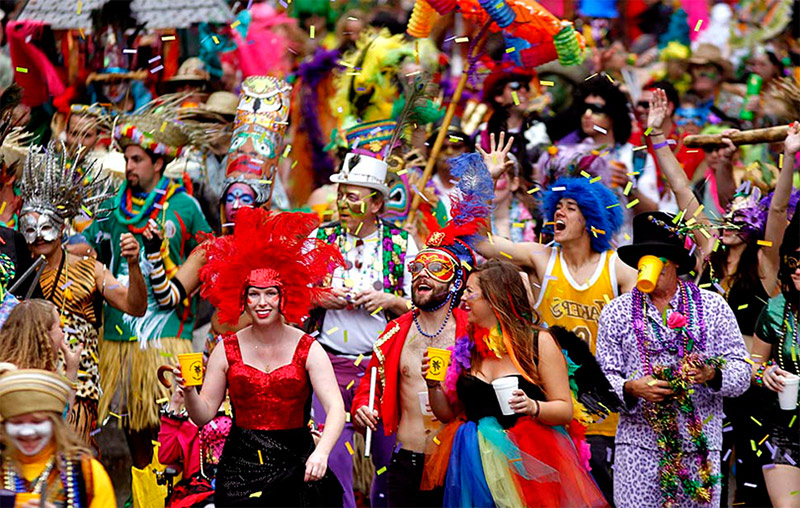
Although Carnival is celebrated in many places around the world, New Orleans, Louisiana is considered the capital of Mardi Gras. The celebration here lasts for weeks with parties, costumed dancing and colorful parades, attracting millions of visitors each year.
For New Orleans residents, Mardi Gras is more than just a festival; it is a cultural symbol, representing freedom, creativity, and the intersection of cultures. French traditions combine with the music and lifestyles of African, European, and Indigenous communities to create a unique and diverse identity. The festival also plays an important role in bringing the community together as everyone participates in the preparation, building floats, designing costumes, and organizing the parade.
Indispensable tradition
Parades and Krewes
The soul of Mardi Gras is the large parades. They are organized by secret societies called Krewes. Krewes design and build elaborately decorated floats, often with satirical or mythological themes. Each Krewes holds parades on different days and routes, creating an event that lasts the entire season.
Colors and “Throws”
The three official colors of Mardi Gras have deep symbolic meaning:
- Purple: Represents Justice.
- Green: Represents Faith.
- Yellow: Represents Strength.
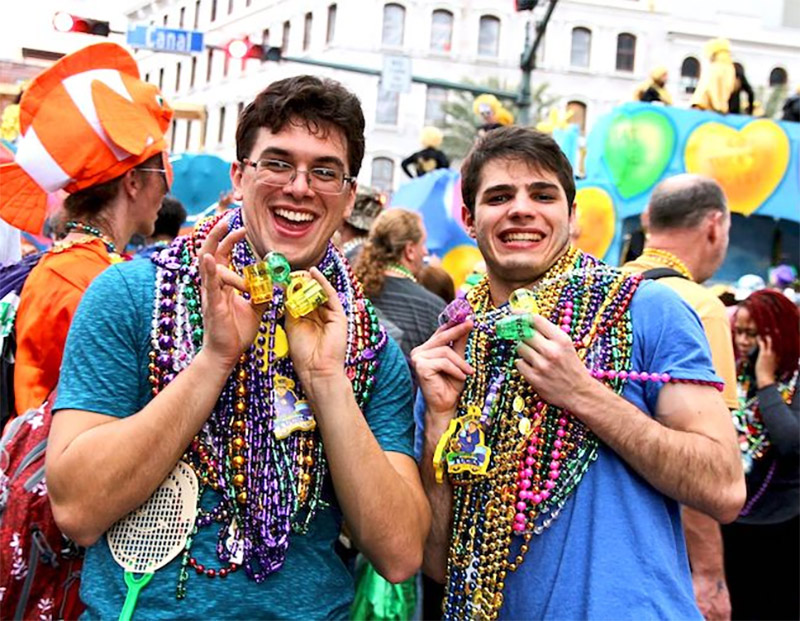
Krewe members throw gifts (“throws”) from the floats into the crowd. The most famous are colorful beads, along with doubloons or other small souvenirs.
The King Cake and the Mask
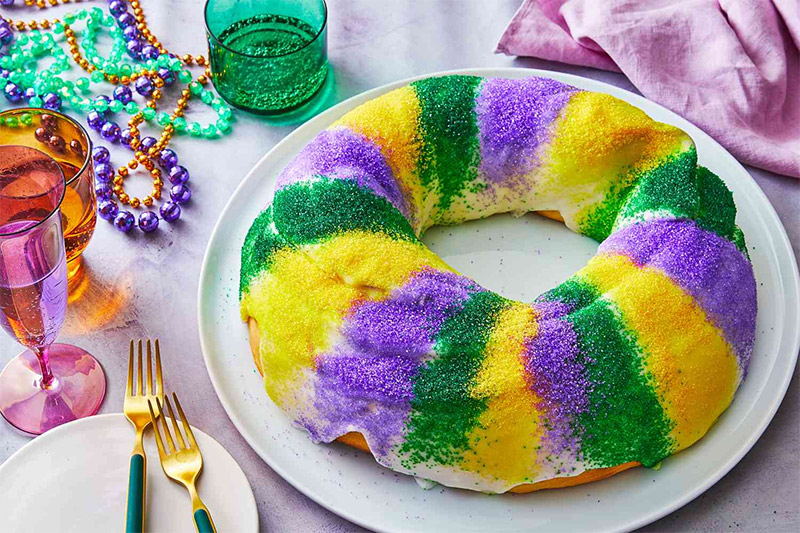
The King Cake is a traditional sweet, decorated with three festive colors. The cake is special in that it usually has a small plastic baby inside. The person who finds the baby is said to have good luck, or will be responsible for buying the next King Cake.
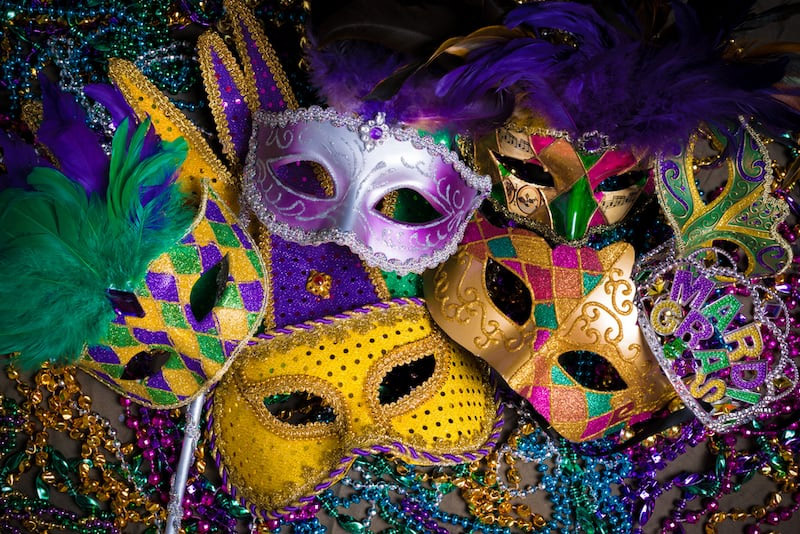
In addition, wearing a mask is an important element, allowing participants to keep their identities secret and break away from normal social norms to join in the fun.
Controversy and Existing Issues
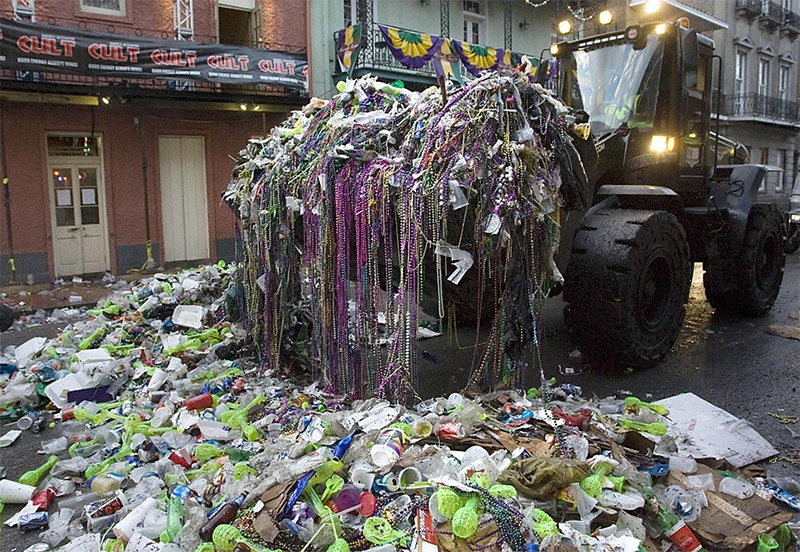
Along with its positive values, Mardi Gras is still facing many controversies. The huge amount of waste after each parade puts pressure on the urban environment. Some excessive behavior in the crowd also raises security and order issues. In addition, the cost of organizing and managing the festival is always a controversial topic between the government and the people.
Mardi Gras in the Modern Age
Today, Mardi Gras is adapting to new trends. Social media support has helped the festival spread more widely, attracting more international visitors. Many organizations are also moving towards sustainable solutions such as reducing plastic waste, recycling beads and managing security more effectively. Despite the changes, the core spirit of Mardi Gras – freedom, unity and creativity – remains unchanged.
Conclusion
Mardi Gras is more than just a festival; it is a unique cultural experience. On the one hand, it is a mix of indulgence and revelry before abstinence, and on the other, it is a celebration of art, music, and traditions that are deeply rooted in the history of New Orleans and many other places around the world.